
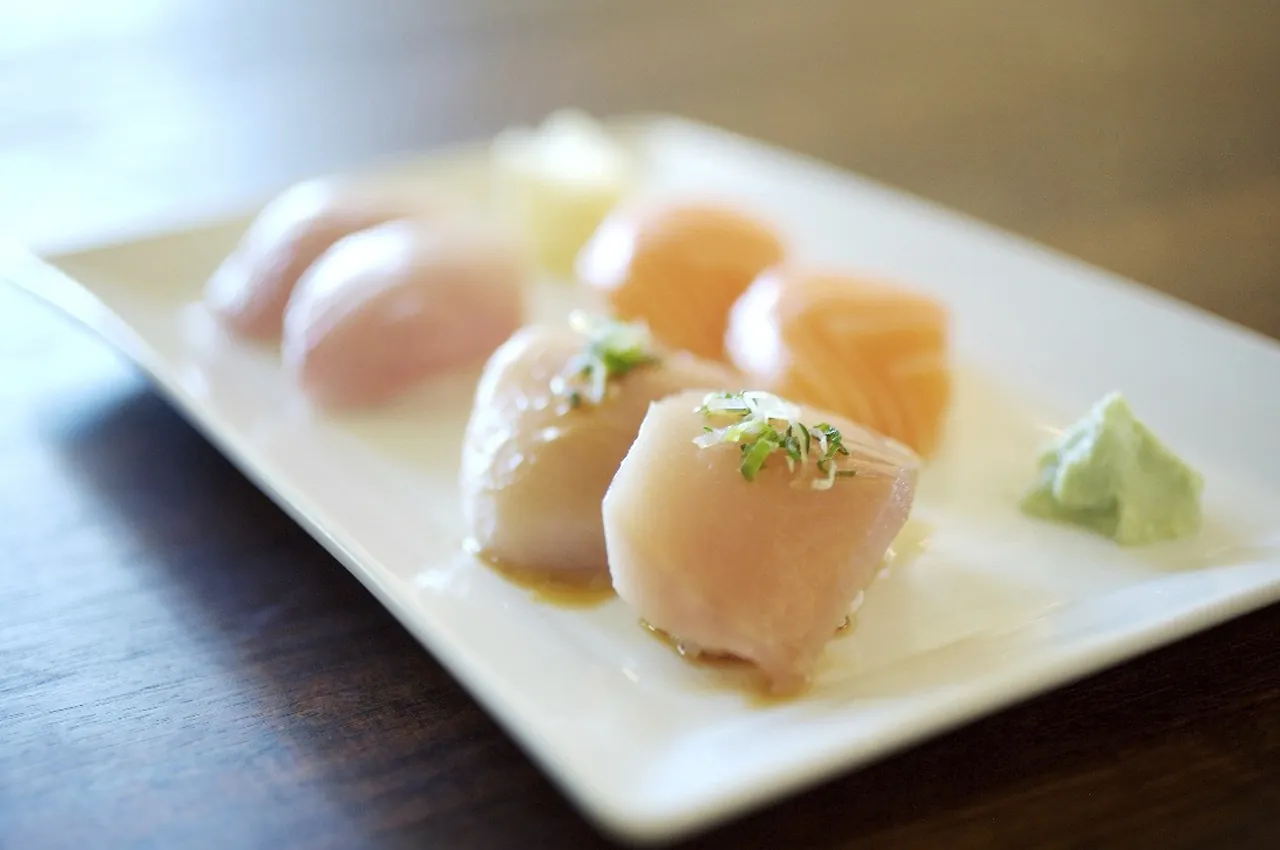
The simplest way to understand the types of sushi is to start with the rice. Sushi is seasoned, vinegared rice paired with fish, seafood, egg, vegetables, or other ingredients. The shape and method tell you what kind of sushi you are looking at: nigiri is hand-formed, maki is rolled, temaki is a hand roll, and chirashi is served in a bowl. Sashimi belongs on the same menu, but it is sliced seafood without rice.
That distinction makes a sushi menu much less mysterious. It also keeps the focus on the balance a good sushi restaurant is trying to achieve. At SUGARFISH, warm rice, fish cut to order, and a hand roll folded at the moment it is served are part of why each course is meant to be enjoyed right away.
Start with the form, not the fish
A salmon nigiri and a yellowtail nigiri are the same type of sushi because the rice is shaped the same way. A tuna roll and cucumber roll are both maki because they are rolled. The topping, filling, or fish tells you the flavor. The format tells you how it is built.
| Type | What it looks like | What to know |
|---|---|---|
| Nigiri | A small hand-formed piece of rice topped with fish or another ingredient | Great for tasting the fish and rice together |
| Maki | Rice and filling rolled in nori, then sliced | Includes thin and thick rolls |
| Temaki | A cone-shaped hand roll | Eat it with your hands, while the nori is crisp |
| Gunkan | Rice wrapped with a nori collar | Made for loose toppings such as roe |
| Chirashi | A bowl of sushi rice with toppings scattered over it | More of a composed bowl than a piece-by-piece format |
The Japan National Tourism Organization’s guide to sushi in Japan makes the same useful point: sushi is rooted in vinegared rice, and the many forms come from how that rice is paired with a topping or filling.
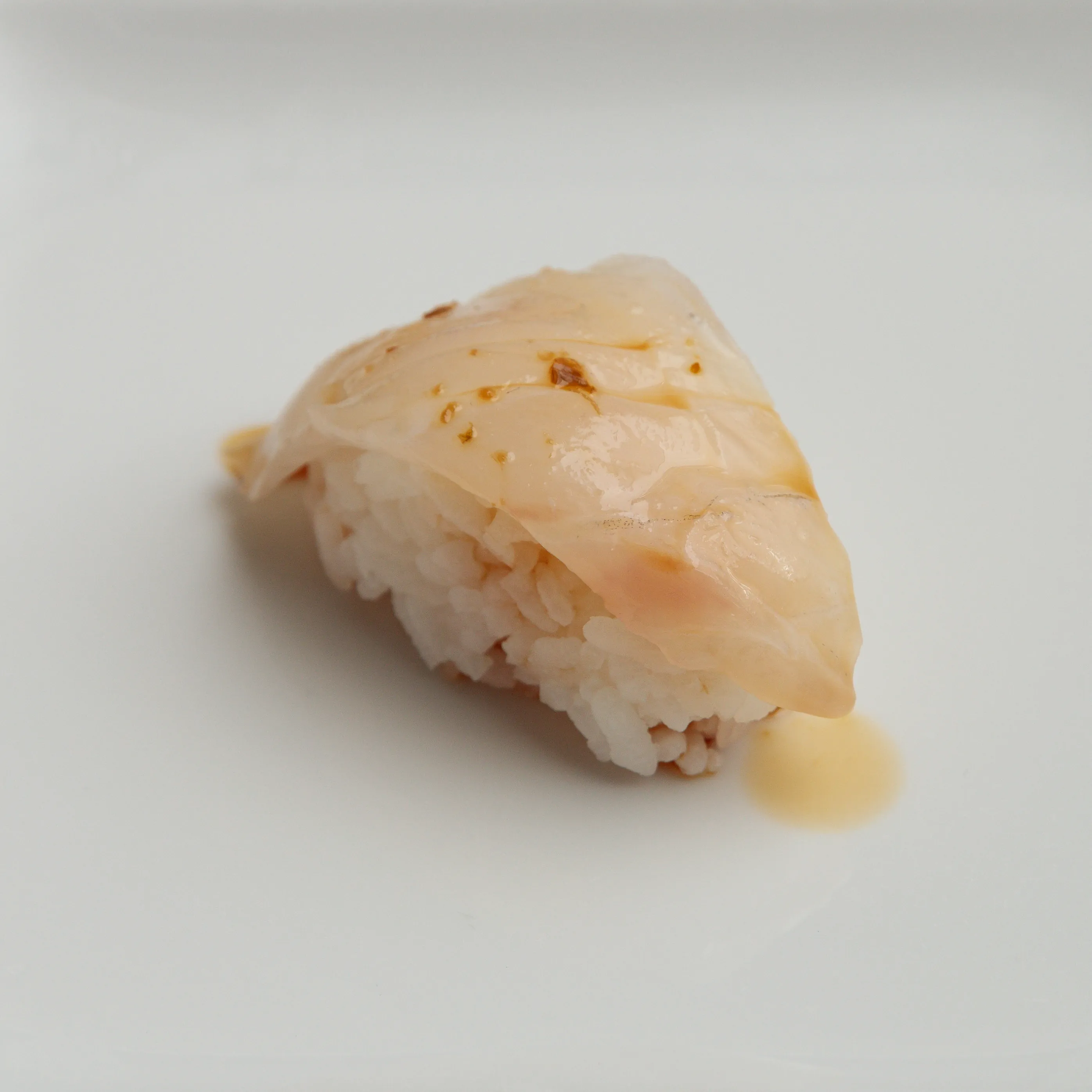
Nigiri: the classic piece of sushi
Nigiri is the style many people picture first: a small, hand-formed mound of rice with a topping placed over it. That topping might be tuna, salmon, yellowtail, sea bream, cooked shrimp, eel, tamago, or something else entirely. The point is not simply to put fish on rice. It is to create one bite where the rice, fish, seasoning, texture, and temperature arrive together.
Because there is nowhere to hide, nigiri is a good way to learn what a restaurant values. Rice matters as much as the fish. At SUGARFISH, the warm, loosely packed rice is part of the intended contrast beneath the cool fish. Eat nigiri in one bite when you comfortably can. That keeps the topping and rice together, which is how the piece was built to be tasted.
Maki: sushi rolls, from simple to generous
Maki means rolled sushi. Rice and fillings are wrapped in nori, then cut into rounds. The broad category includes a few useful menu words:
- Hosomaki is a thinner roll, often built around one main filling.
- Futomaki is a thicker roll with several fillings.
- Uramaki is an inside-out roll, with rice on the outside and nori closer to the filling.
Rolls can make a comfortable entry point because they combine flavors in a more familiar format. Still, they are not the only kind of sushi, and they are not always the best way to taste a particular fish. When you want a menu that is paced as a progression rather than ordered roll by roll, the Trust Me menus move from sashimi to nigiri and hand rolls.
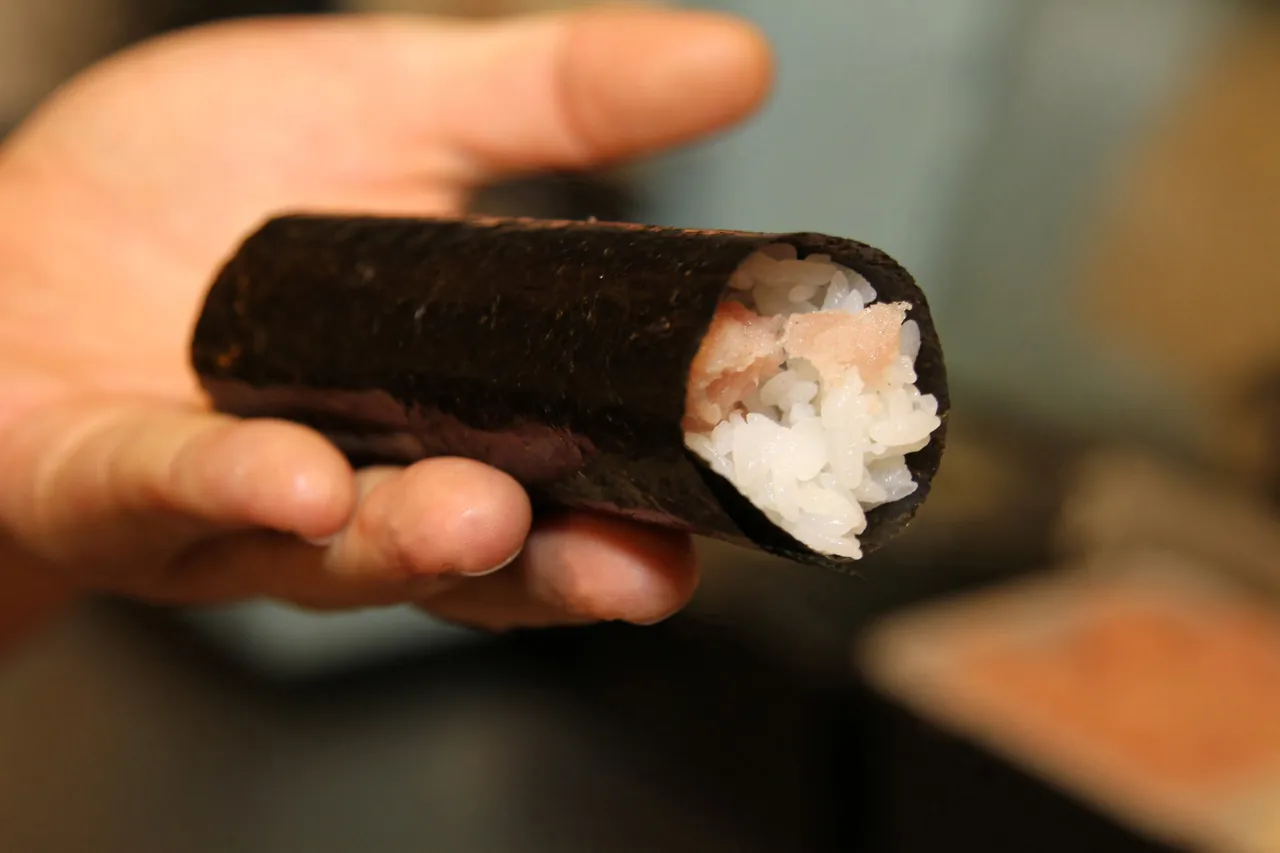
Temaki: the hand roll
Temaki is a hand roll, usually shaped like a cone with nori on the outside and rice and fillings inside. It is meant to be eaten with your fingers, not with chopsticks. More importantly, it is meant to be eaten promptly. Nori is at its most appealing while it is crisp, and the contrast changes quickly once it meets the rice and filling.
This is why a hand roll arriving at the table is a small time-sensitive event. At SUGARFISH, hand rolls come as part of the Trust Me progression and are folded to order. The format is straightforward, but the timing is the whole idea.
Gunkan, chirashi, inari, and pressed sushi
Once you recognize nigiri and rolls, a few other types are easy to place. Gunkan starts with rice, then adds a tall collar of nori around the edge. The collar creates room for toppings that would not sit neatly on a piece of nigiri, such as roe or sea urchin.
Chirashi is sushi rice served in a bowl with ingredients scattered across the top. It feels more like a composed meal than a sequence of individual pieces. Inari is seasoned rice tucked into a sweet-simmered fried tofu pocket. It is a clear example of sushi that does not rely on raw fish. Oshizushi, or pressed sushi, is assembled in a mold and cut into tidy shapes. The Japan National Tourism Organization notes that this form uses a box or mold to compress the rice and topping together.
There are many regional forms beyond these. The useful lesson for a diner is not to memorize every name. Learn the few structures you are likely to meet, then ask what is best that day.
What the type tells you about texture
The form of sushi is more than a label. It changes the bite. Nigiri gives the fish and rice nearly equal attention. Maki adds the snap of nori and the texture of a filling. Temaki is looser and more immediate, with crisp nori that is meant to crack when you bite into it. Chirashi lets the rice, seafood, and garnishes mix at your own pace.
This is also why two dishes made with the same fish can feel completely different. Salmon on nigiri is a clean, balanced bite. Salmon in a hand roll is warmer, crisper, and more casual. Salmon in chirashi becomes part of a bowl, where each forkful or chopstickful can change. When you see an unfamiliar name on a menu, ask what form it takes. That one question often tells you more than the ingredient list alone.
At a restaurant serving sushi in courses, the sequence is part of the texture story. A piece that arrives with warm rice and cool fish is not being fussy. It is an invitation to taste the contrast while it is still exactly where it should be.
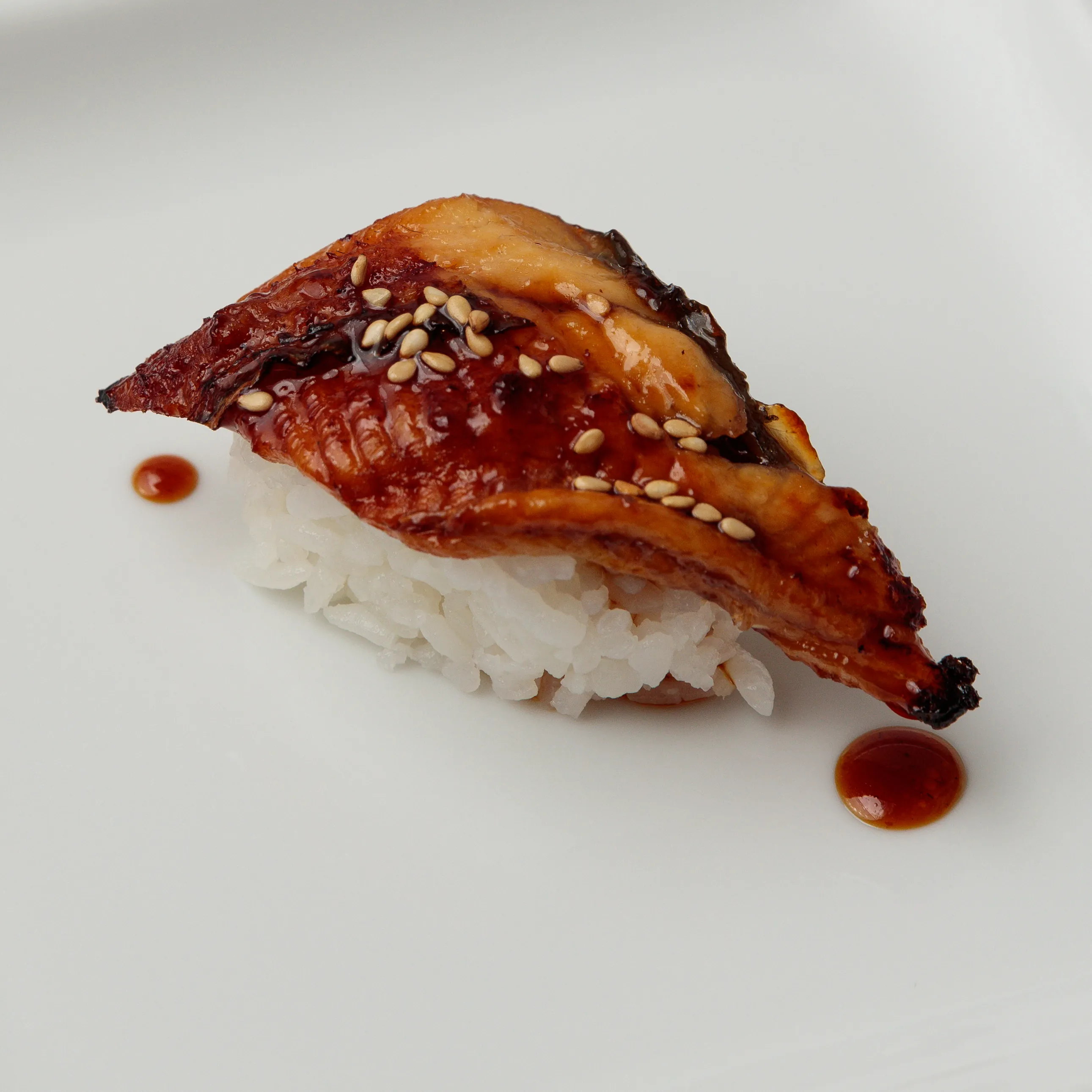
Sashimi is not sushi, but it belongs in the conversation
Sashimi is sliced seafood served without rice. It is often listed near sushi because the fish may be similar, but the experience is different. Without rice, you are tasting the cut, texture, and seasoning of the seafood on its own. With nigiri, you are tasting the relationship between the fish and the rice.
That difference is useful when ordering. Choose sashimi when you want the fish by itself. Choose nigiri when you want the fish and rice together. Choose a hand roll when you want the lively contrast of nori, rice, and filling in one immediate bite.
Soy sauce, wasabi, and ginger each have a different job
Knowing the types of sushi helps with condiments, too. When a piece is already seasoned, it is worth tasting it first. If you do add soy sauce to nigiri, a light touch on the fish side helps keep the rice from soaking up too much. A pool of soy sauce can overwhelm a carefully balanced bite and make the rice fall apart before it reaches your mouth.
Wasabi can be part of the preparation, added at the counter or placed beside the sushi. Treat it as a heat and aroma choice, not a requirement to mix into soy sauce. Pickled ginger is a palate cleanser between different bites. It is there to reset your taste, not to sit on top of the nigiri. The Japan National Tourism Organization’s sushi dining guide also recommends eating each piece while it is fresh and using ginger between pieces.
None of this needs to feel formal. Use your hands for a hand roll, use chopsticks or fingers for nigiri, and stay curious. The best etiquette is paying attention to the food in front of you and enjoying it before it has a chance to change.
How to choose what to order
There is no single correct order for every diner. A first visit can be easier when the restaurant has already designed the progression. If you are choosing piece by piece, use a simple approach:
- Start with nigiri when you want to understand a particular fish.
- Choose maki when you want a rolled format with several flavors in one bite.
- Order a hand roll when you are ready to eat it as soon as it arrives.
- Try chirashi when a bowl format sounds more appealing than individual pieces.
- Ask about cooked or vegetarian options when raw fish is not what you want.
Menus also change with the market, so a direct question is always worthwhile. At a SUGARFISH restaurant, choose a nearby location, arrive with your full party, and let the team guide the pacing. For diners in Los Angeles who want the fixed-menu version of that experience, the Trust Me omakase guide explains how the meal moves from first course to last hand roll.
Sushi is the rice. The type is the shape. The fish is the flavor.
Once you know that, a sushi menu becomes easier to read and much more fun to explore.
Explore the Trust Me menus →