
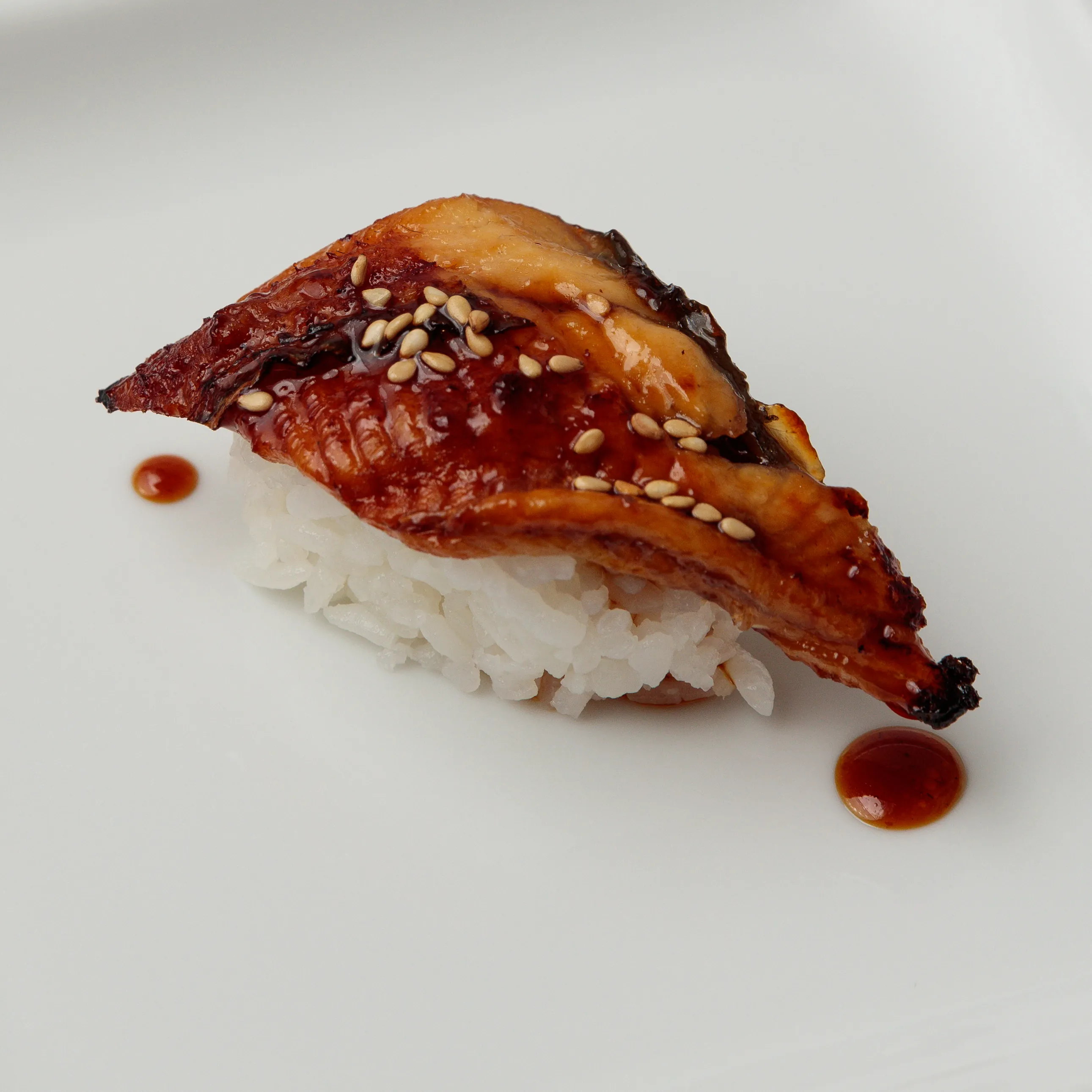
Cooked sushi is sushi made with cooked ingredients instead of raw fish, or with a cooked element such as shrimp tempura, grilled eel, egg, or imitation crab. The useful thing to remember is that sushi is about seasoned rice and how it is paired with a topping or filling. A cooked ingredient can appear as nigiri, inside a roll, or on its own in a hand roll. You do not need to avoid sushi just because raw fish is not what you want.
Menus differ from one restaurant to another, so the exact choices will change. Still, a few names appear often enough to make a good starting point. Once you recognize them, you can order with more confidence and ask better questions about what is being served.
Cooked sushi can take more than one form
“Cooked sushi” describes the ingredient, not one specific shape. A cooked topping can sit over rice as nigiri. It can become part of a cut roll or hand roll. It can also appear in a composed bowl. The form tells you how the sushi is built, while the ingredient tells you what it will taste like.
That distinction clears up a common misunderstanding. Sashimi is sliced seafood without rice, and it is often raw. Sushi includes seasoned rice, but its topping or filling does not have to be raw. The guide to types of sushi breaks down the main shapes, from nigiri and maki to hand rolls and chirashi.
The Japan National Tourism Organization’s guide to sushi in Japan makes the same foundational point: vinegared rice is central to sushi, while the toppings and preparations can vary widely.
Unagi, shrimp, and tamago
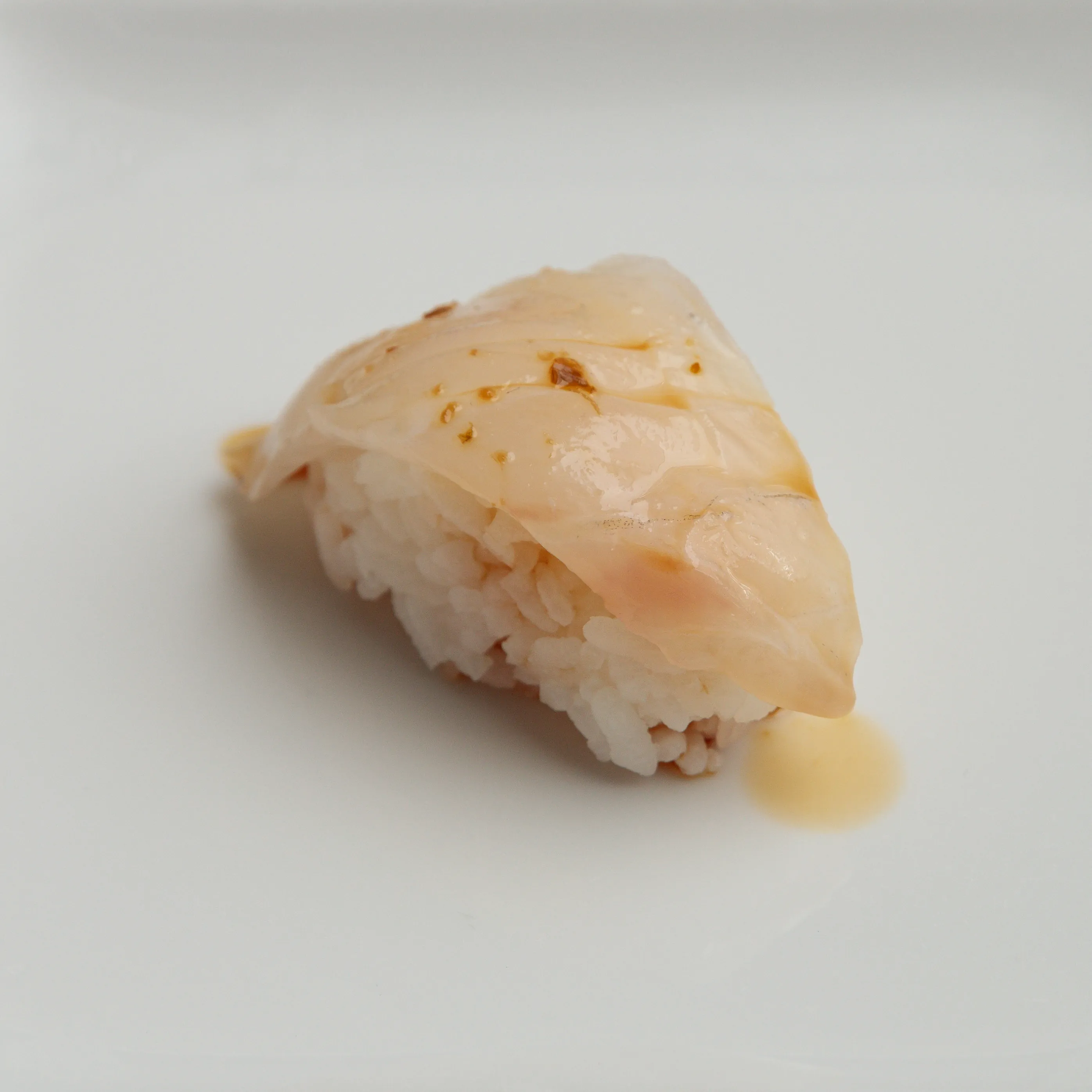
These are three of the most familiar cooked sushi choices. Unagi is freshwater eel, commonly cooked and finished with a savory-sweet sauce. It has a soft texture and fuller flavor than many fish choices. Ebi means shrimp. On many menus it is cooked, though the exact preparation can vary. Tamago is a Japanese-style egg preparation, often served as a lightly sweet layered slice over rice or in a roll.
Each can appear as nigiri, which means the ingredient is served over a small hand-formed piece of rice. That makes nigiri a good choice when you want to understand one ingredient at a time, rather than sorting through several fillings in a larger roll.
For a wider look at how fish and seafood are named on a sushi menu, read our guide to sushi fish types. It helps make sense of familiar names and menu terms without turning dinner into a vocabulary test.
Cooked rolls are often the easiest entry point
Many diners first meet cooked sushi through rolls. A California roll is commonly made with avocado, cucumber, and cooked or imitation crab. A shrimp tempura roll usually uses fried shrimp for a crisp, richer bite. Other menus may offer rolls with cooked eel, baked seafood, vegetables, or egg.
The name of a roll is only a shortcut, not a full recipe. One restaurant’s roll may be different from another’s, and sauces, toppings, or tempura can change the flavor quickly. If you have a preference or a dietary need, ask what is cooked, what is inside, and whether there are sauces or toppings added after the roll is made.
Rolls can be comfortable because they combine familiar flavors and textures in one bite. But they are not the only cooked choice. A simple piece of unagi, shrimp, or tamago nigiri can be a more direct way to learn what you like.
What “cooked” does and does not tell you
A cooked ingredient does not automatically mean a mild flavor, and raw fish does not automatically mean an intense one. Eel can be rich and savory. Tamago can be gentle and slightly sweet. Fried shrimp can be crisp and more substantial. The best choice depends on the texture and flavor you want, not only whether an ingredient is cooked.
It also helps to separate preference from food safety. A diner may choose cooked sushi simply because it sounds more familiar. If you need current guidance about seafood choices for a health reason, the FDA’s fish and seafood advice is the right place to start, followed by a direct conversation with the restaurant about ingredients and preparation.
For everyone else, “cooked” is mostly a menu-reading tool. It helps narrow the choices, then leaves room to order something that sounds good to you.
How to choose cooked sushi for the first time
A simple order is easier to enjoy than a long list of unfamiliar choices. Start with the format you are most comfortable eating, then choose one ingredient that sounds appealing. You can always build from there on the next visit.
- Choose nigiri when you want to taste one cooked ingredient with rice.
- Choose a roll when you want several familiar flavors in the same bite.
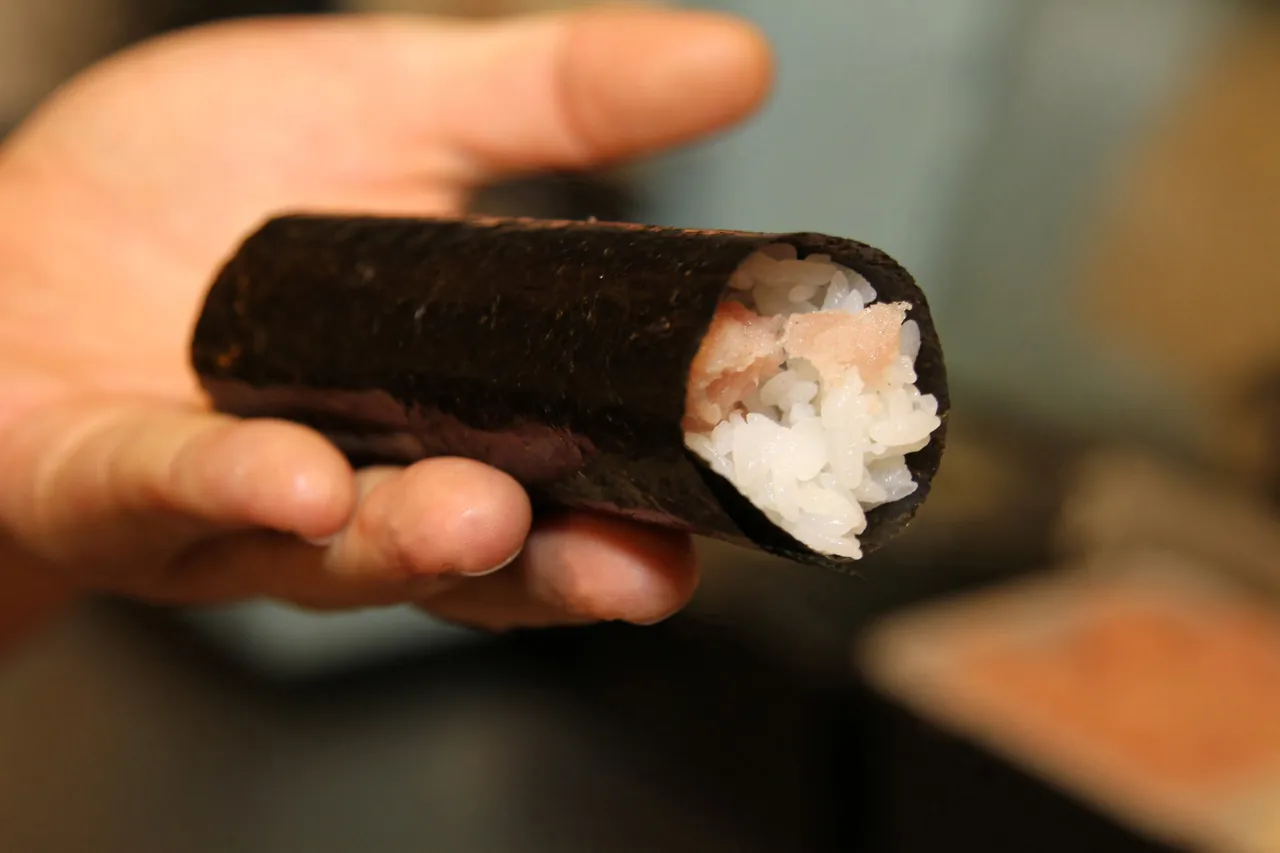
- Choose a hand roll when you are ready to eat it as soon as it arrives, while the nori is crisp.
- Ask the restaurant which cooked option best matches what you already enjoy, such as shrimp, egg, grilled seafood, or vegetables.
There is no need to order everything at once. One piece of nigiri and one roll can give you a useful comparison. Once you know whether you prefer a direct bite of rice and topping or a fuller roll, the rest of the menu becomes easier to explore.
Enjoy the piece while it is at its best
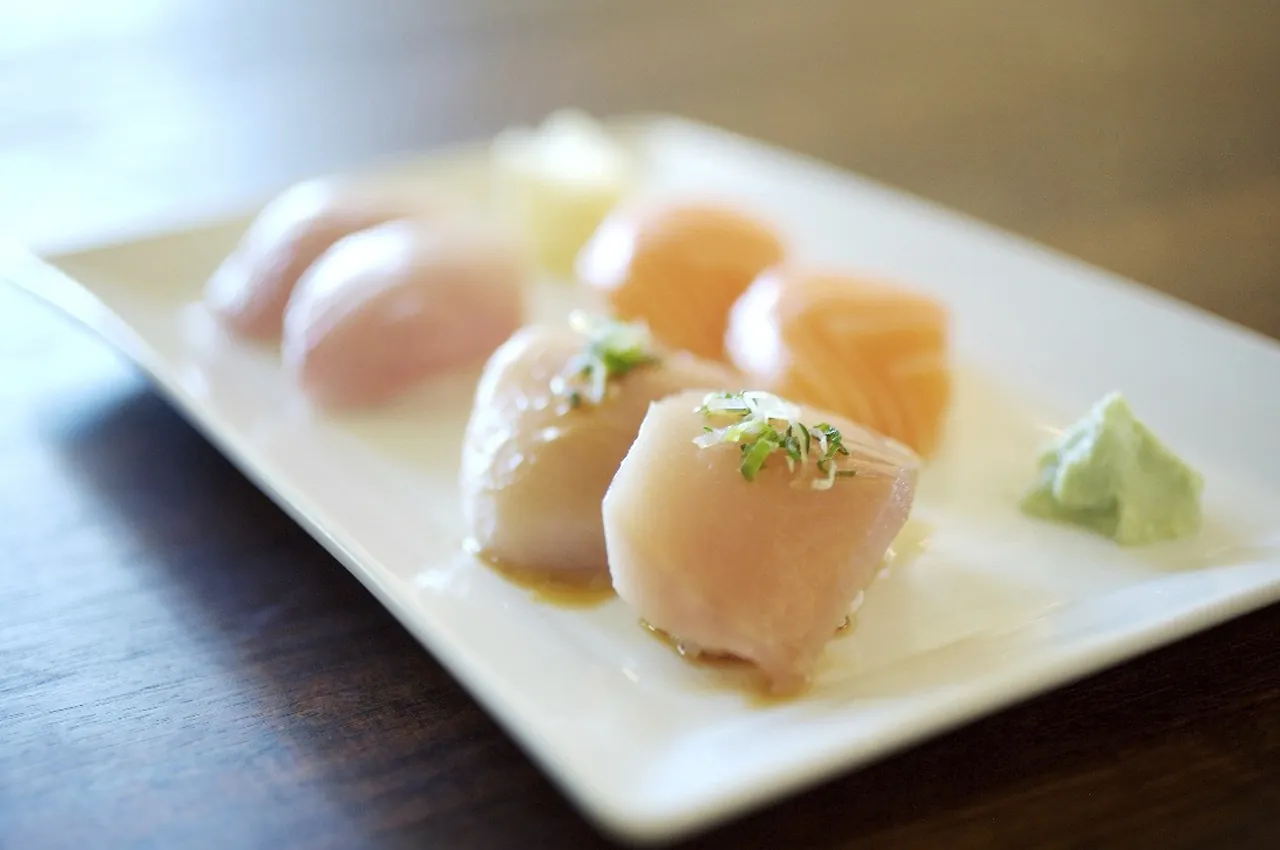
Whether an ingredient is cooked or raw, sushi is about timing as much as it is about the menu description. Nigiri is usually best as one composed bite, with the topping and rice together. A hand roll is best eaten promptly, before the nori loses its crispness.
Use soy sauce lightly, especially when the piece is already seasoned. You can use your fingers or chopsticks for nigiri. The practical details are simple, and they help the food stay balanced rather than turning the meal into a set of rules. Our guide to eating sushi properly covers those small choices in more detail.
What this means at SUGARFISH
SUGARFISH is built around the Trust Me experience: fish cut to order, warm rice, and hand rolls folded when they are ready to be served. The menu is designed as a progression rather than a long build-your-own list, and substitutions are not part of the Trust Me format.
If you are considering your first visit, start with the current Trust Me menus to understand how the meal moves from sashimi to nigiri and hand rolls. Menu items and availability vary by location. For food allergies or a particular dietary concern, tell the team before ordering so they can guide you based on the restaurant and the day.
When you are ready to dine, choose a nearby SUGARFISH location. The best first order is the one that lets you enjoy the piece in front of you, then look forward to the next one.
Cooked sushi gives you plenty of ways to start.
Look for a familiar ingredient, choose the format that feels right, and ask a direct question when the menu leaves anything unclear.
Find your SUGARFISH →