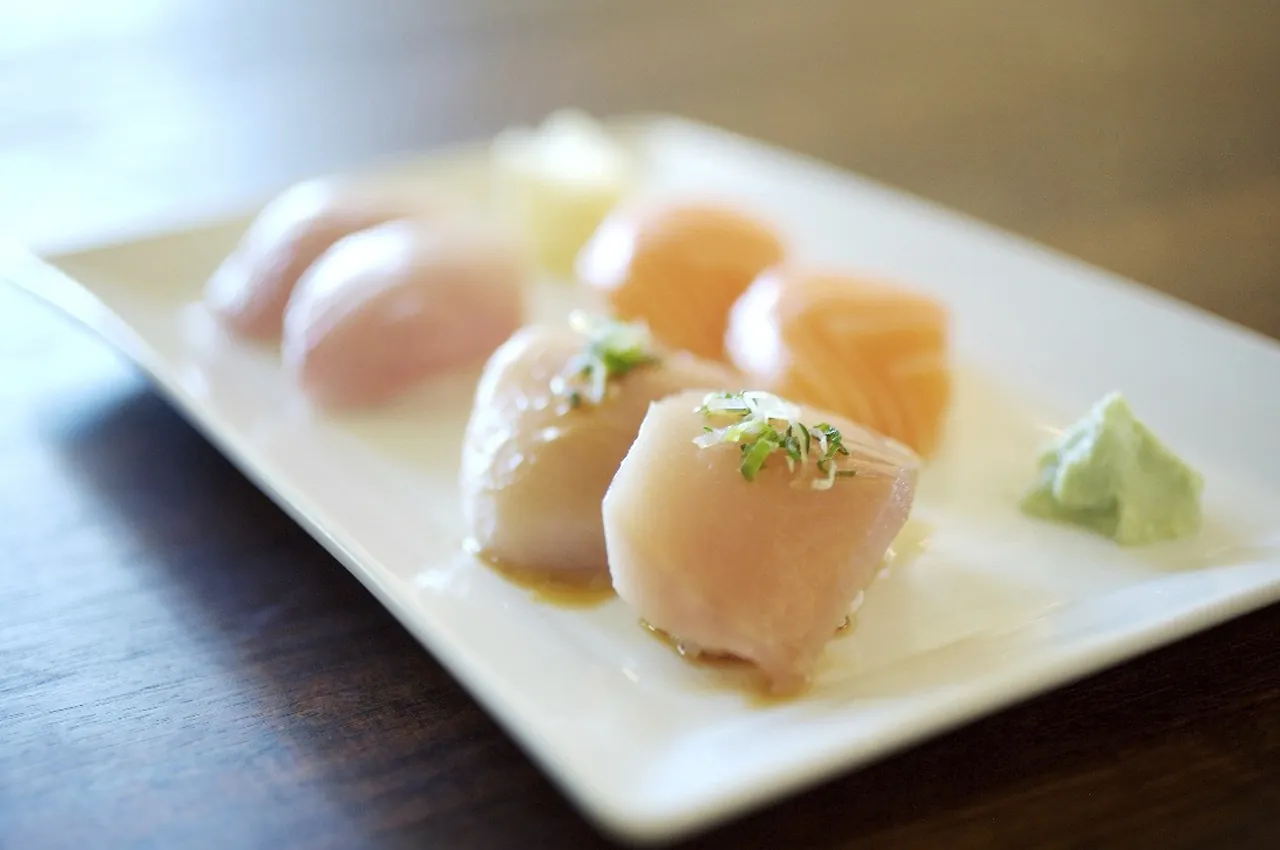

The most useful way to read sushi fish types is not to memorize a long list. Start with a few names you will see often, then notice how each is served. Tuna, salmon, yellowtail, sea bream, and albacore are common starting points. Scallops, shrimp, eel, and roe add more variety. At SUGARFISH, fish is cut to order and served with warm rice, so the name on the menu is only one part of the bite.
A quick guide to sushi fish types
A sushi menu often mixes English names, Japanese names, familiar fish, and ingredients that may be new to you. The simplest approach is to ask what kind of experience you want. Some choices feel richer, some more delicate, and some are served cooked rather than raw. The form matters too: sashimi lets you focus on the seafood alone, while nigiri brings fish and rice together.
- Tuna is a staple on many sushi menus and can appear in leaner and richer cuts.
- Salmon is widely recognized for its fuller texture and clean, savory flavor.
- Yellowtail is a common menu name that many diners find smooth and rich.
- Sea bream and other white fish can offer a more delicate place to begin.
- Albacore is another tuna family name you may see served as nigiri or sashimi.
These are useful signposts, not rules. The same fish can feel different depending on the cut, the seasoning, and whether it arrives as sashimi, nigiri, or a hand roll. Our guide to the types of sushi explains those formats, so the rest of the menu becomes easier to read.
Why sushi menus use more than one name
Some sushi names describe a familiar fish in English. Others use a Japanese menu name, and some refer to a particular cut or preparation. That can make a menu look more complicated than it is. You do not need to know every term before ordering. It is enough to notice whether a name points to the fish itself, the way it is served, or a richer or leaner portion of that fish.
For example, tuna may appear under several names on the same menu because different cuts have different texture and richness. A menu may also use Japanese names for fish that have an English equivalent. Neither approach is meant to turn dinner into a quiz. The name gives the chef and server a precise way to talk about the piece in front of you.
When a name is unfamiliar, ask two direct questions: what is it like, and how is it being served? Those answers tell you far more than trying to translate a word in isolation. A fish served as sashimi will feel different from the same fish on warm rice, and a hand roll makes texture part of the conversation too.

Tuna, salmon, and yellowtail
These are the names many diners recognize first, and they make a useful reference point for trying something new. Tuna may be offered in more than one cut, from a leaner piece to a richer one. Salmon is familiar to many guests, but in sushi it is still part of a composed bite, not a separate category of roll. Yellowtail is another name worth knowing when you want to compare a richer fish with salmon or tuna.
The goal is not to rank them. It is to give your palate a frame of reference. When you find a fish you like, try it as nigiri on another visit or compare it with a different fish in the same format. That is often more revealing than changing several things at once.
The Japan National Tourism Organization's guide to sushi in Japan is a useful primer on how sushi brings fish, seafood, and vinegared rice together in many different forms.
White fish and the quieter side of the menu
Sea bream, hirame, and other white fish often appeal to diners who want a more delicate first bite. They can make a useful contrast with tuna, salmon, or yellowtail because the texture and seasoning come through differently. The best description is usually the one the restaurant can give you that day, because the specific selection changes with the market.
At SUGARFISH, the warm, loosely packed rice is part of that contrast. A piece of nigiri is not just a topping placed on rice. The temperature, texture, and timing are intended to work together. When it reaches the table, eat it while those details are still in place.
Scallops, shrimp, eel, and roe
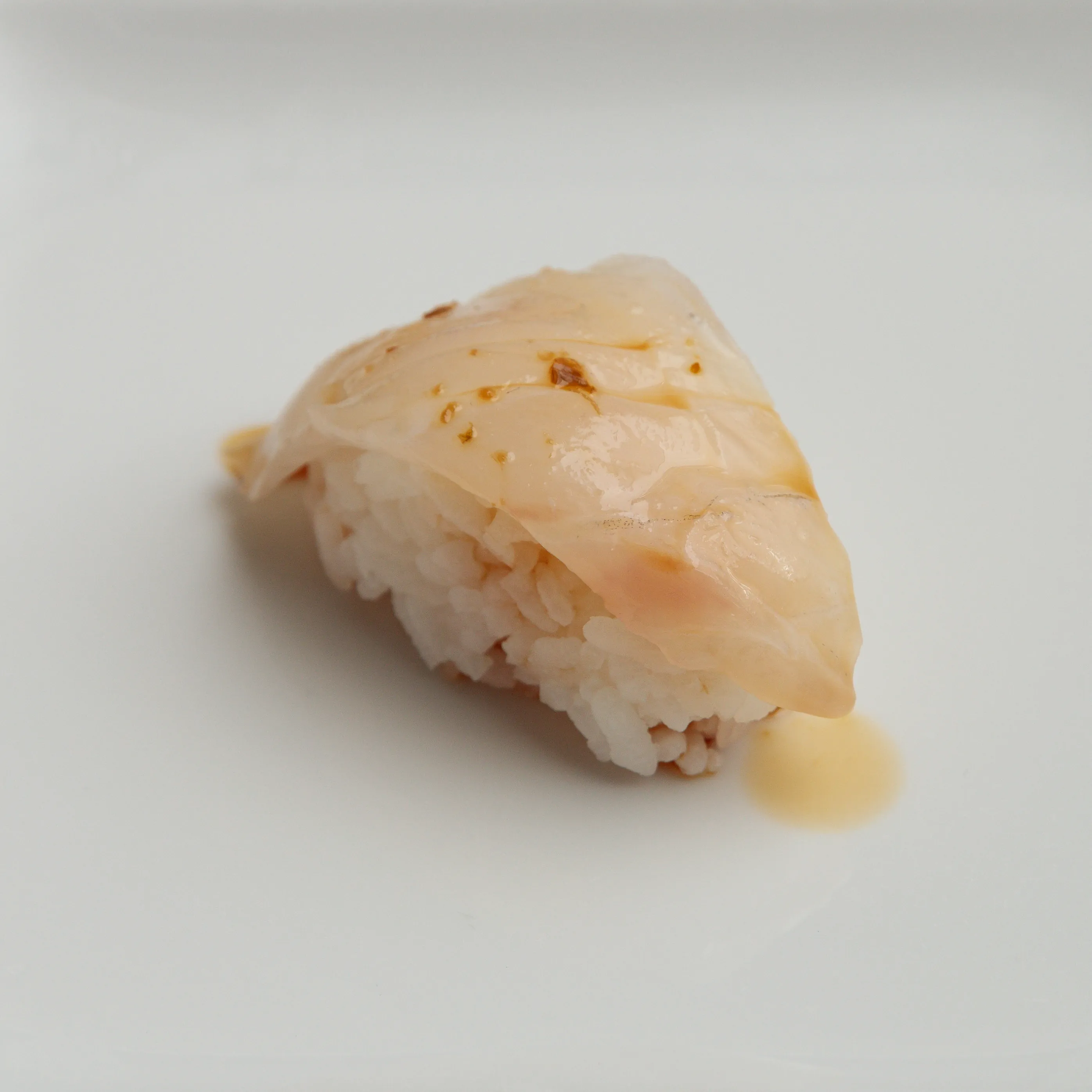
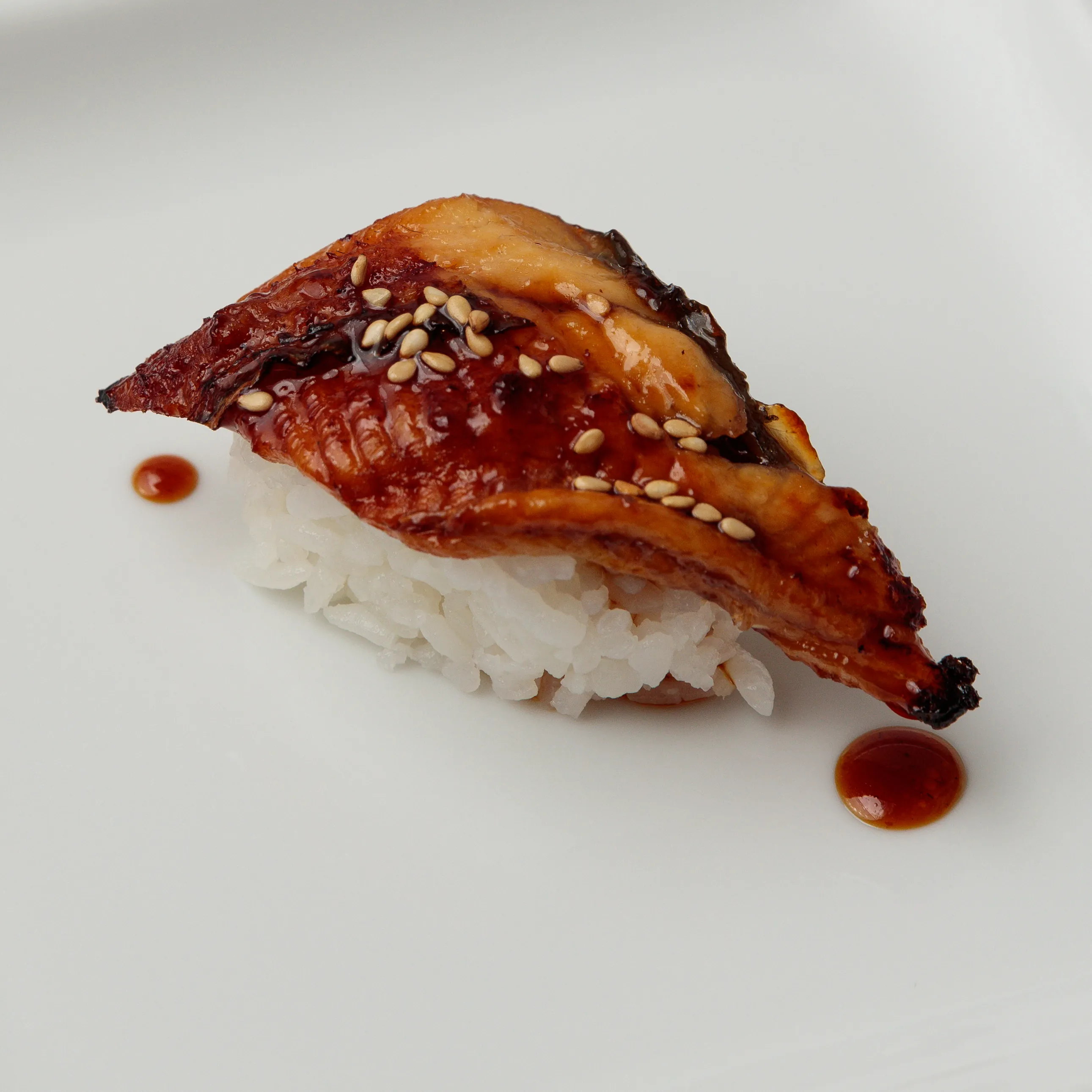
Sushi menus are not limited to finfish. Scallops can bring a soft, sweet texture. Shrimp may be served cooked. Eel is generally cooked and often paired with a savory-sweet sauce. Roe, including salmon eggs, brings a pop of texture and a briny finish. These choices can be a good way to vary a meal without simply moving from one raw fish to another.
They are also a reminder that sushi is broader than raw fish. Sushi is seasoned rice paired with a topping or filling, which is why menus can include cooked seafood, egg, vegetables, and tofu alongside fish. For a practical look at those options, read our guide to cooked sushi types. When you want an overview of the menu's different shapes and preparations, start with the sushi types guide.
Richness is a useful way to choose
You do not have to identify every fish by sight to make a satisfying order. Think about what you are in the mood for. A lighter, cleaner bite can make sense when you want to notice the rice and seasoning closely. A richer fish can feel more substantial and linger longer on the palate. Neither is better. They simply create a different rhythm through the meal.
That is one reason a progression can be so rewarding. A meal can move from delicate fish toward fuller flavors, then change direction again with a hand roll. At SUGARFISH, the Trust Me format is designed around that pacing. Instead of asking you to build a complete sequence from a long list, it sends each course when its temperature and texture are ready to be enjoyed.
If you are ordering a la carte, use the same idea in a smaller way. Begin with a fish you expect to feel lighter, then try a familiar richer option such as salmon or yellowtail. Keep the serving style similar and you will be able to notice the difference more clearly.
What a sushi fish name can, and cannot, tell you
A menu name gives you a starting point, not a complete prediction. It can tell you what fish or seafood you are ordering, but it does not capture the cut, the temperature, the seasoning, or the format. It also does not replace a quick conversation with the team about what is especially good that day.
That is why a simple question works so well: what would you recommend if I like salmon, but want to try something different? It gives the restaurant a useful reference point and gives you permission to explore without trying to decode every name alone.
For guests who need food-safety guidance about seafood choices, the FDA fish and seafood advice is the appropriate place to review current recommendations.
A simple way to choose your first few pieces
A good first order does not need to cover the entire menu. Choose one fish you already know, then choose one nearby comparison, then add a different format. That gives you a useful range without turning the meal into too many competing flavors at once.
- Start with a familiar name, such as tuna or salmon, as nigiri.
- Ask the team for one recommendation that offers a different texture or level of richness.
- Finish with a hand roll when you are ready to eat it as soon as it arrives.
This approach also makes it easy to learn from one visit to the next. You may find that you like a fish on its own as sashimi, but prefer another paired with rice. You may discover that the crisp nori of a hand roll is the part you remember most. There is no wrong answer. A little comparison turns a new menu into a personal set of favorites.
How to order with more confidence
When you are ordering piece by piece, choose one familiar fish and one that is new to you. Keep the format the same, such as nigiri, and the comparison becomes easier to taste. If a hand roll arrives, eat it promptly while the nori is crisp. Our guide to eating sushi properly covers the small details that help each piece stay balanced.
If you would rather not decide fish by fish, the Trust Me menus provide a paced progression from sashimi to nigiri and hand rolls. The selection is served in the Nozawa style, with fish cut to order and each course brought out when it is ready to eat.
Try the fish, then trust the progression
Learning a few sushi fish types gives you a better vocabulary, but it does not need to turn dinner into homework. Notice what you enjoy, ask about what is good today, and eat each piece when it arrives. That is enough to make the next visit more interesting.
When you are ready to dine, choose a nearby SUGARFISH location. Diners in California can also read the Los Angeles Trust Me guide, while New York guests can find a nearby restaurant through the New York City guide.
Fish gives sushi its character. Rice, timing, and preparation turn it into the bite.
Start with one familiar name, try one new one, and let the next piece teach you the rest.
Explore the Trust Me menus →